
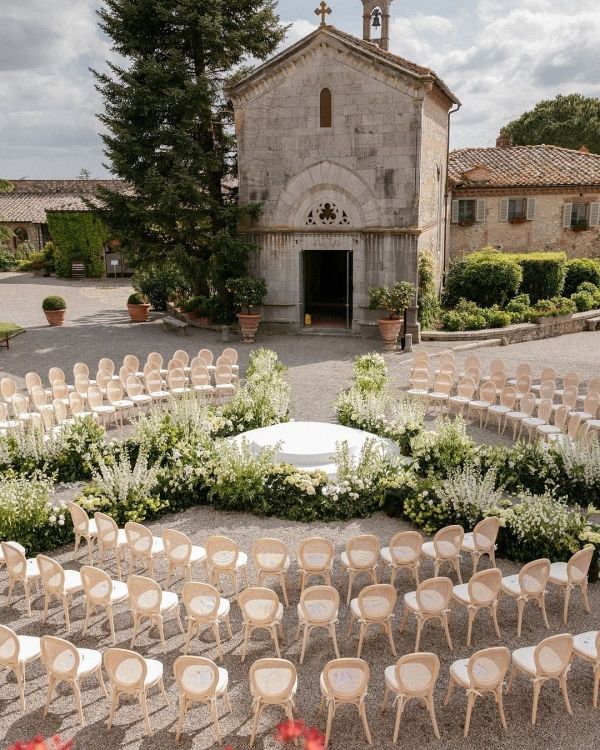
Events: a world of emotions… and resources to rethink
Events are the art of the ephemeral. In a day, a venue transforms, an atmosphere comes alive, emotions take root, and then everything disappears: sets are dismantled, structures stored, accessories packed away or discarded.
Today, the sector is re-imagining this logic: what if the ephemeral could be sustainable? What if objects, materials, and ideas circulated from one project to the next? That is the promise of circularity.
What circularity really means
Circularity reframes use. Instead of buy → use → discard, we reuse, share, and keep value in motion. In events, that looks like reusing decor across productions, pooling technical equipment, designing modular scenography, and valorising materials after use.
Circularity is no longer a utopian idea, it is becoming a concrete, economical, and creative strategy.
In Switzerland, some pioneering initiatives are leading the way:
- The Paléo festival has established a reuse center for its technical structures and sets.
- The Ressources Urbaines association in Geneva supports the creation of cultural installations using recycled materials.
And in the rest of Europe, platforms like EventCycle (UK) and Recovo (Spain) are already offering ways to give a second life to materials.
Why circular thinking appeals to professionals
It’s financially smart. Europe’s rental economy continues to grow as companies pivot to pay-for-use models, illustrating the business case for sharing and re-use. The European Rental Association estimates the European rental market at ~€28.9–29 billion in 2022.
It’s responsible and expected. Switzerland remains among the highest generators of municipal waste per capita (about 671 kg per person in 2022), underscoring the value of reuse and shared resources in public-facing industries like events.
It fuels creativity. Working with existing pieces encourages new combinations, styles, and narratives — often leading to richer scenography and distinctive visual identities.
Europe is moving steadily
Policy and practice are converging. The EU Circular Economy Action Plan frames measures to prevent waste and keep resources circulating for as long as possible, while sector players roll out practical tools and labels to help organisers apply circularity on the ground.
In Switzerland, organisers and institutions can tap guidelines and tools to stage lower-impact events (e.g., Zurich’s toolkits) and adopt sustainability labels pioneered by universities such as ETH Zurich (Gold/Silver labels, with dozens of labelled events since the pilot launch).
Beyond Switzerland, planners can lean on assessment platforms like the UN-supported Green Events Tool to integrate sustainability criteria into conferences, trade shows, and exhibitions.
On the materials side, redistribution networks help re-route leftover assets from events to charities, schools, and community projects — for instance, Event Cycle in the UK.
An opportunity to seize
Circularity isn’t only green, it’s a collaborative way of working.
- Keep objects in motion rather than accumulating them.
- Collaborate across agencies, venues, and suppliers instead of producing everything solo.
- Prioritise use over ownership, which improves agility and reduces idle stock.
Agencies and designers who adopt circular practices discover an unexpected edge: they join a living network where sharing resources also shares ideas. Circular events are not a constraint, they are a chance to rethink the craft, innovate differently, and create more lasting impact.
Subscribe to our free newsletter
Stay up to date with new feature launches and inspirational ideas for your future events. That’s what our newsletter is for, with one promise, we won’t flood your inbox ❤
* Your email address will remain in safe hands.